How to Read a Water Damage Restoration Estimate from a Atlanta Contractor
Published: 2026-04-22 · By ProWave Water Damage Repair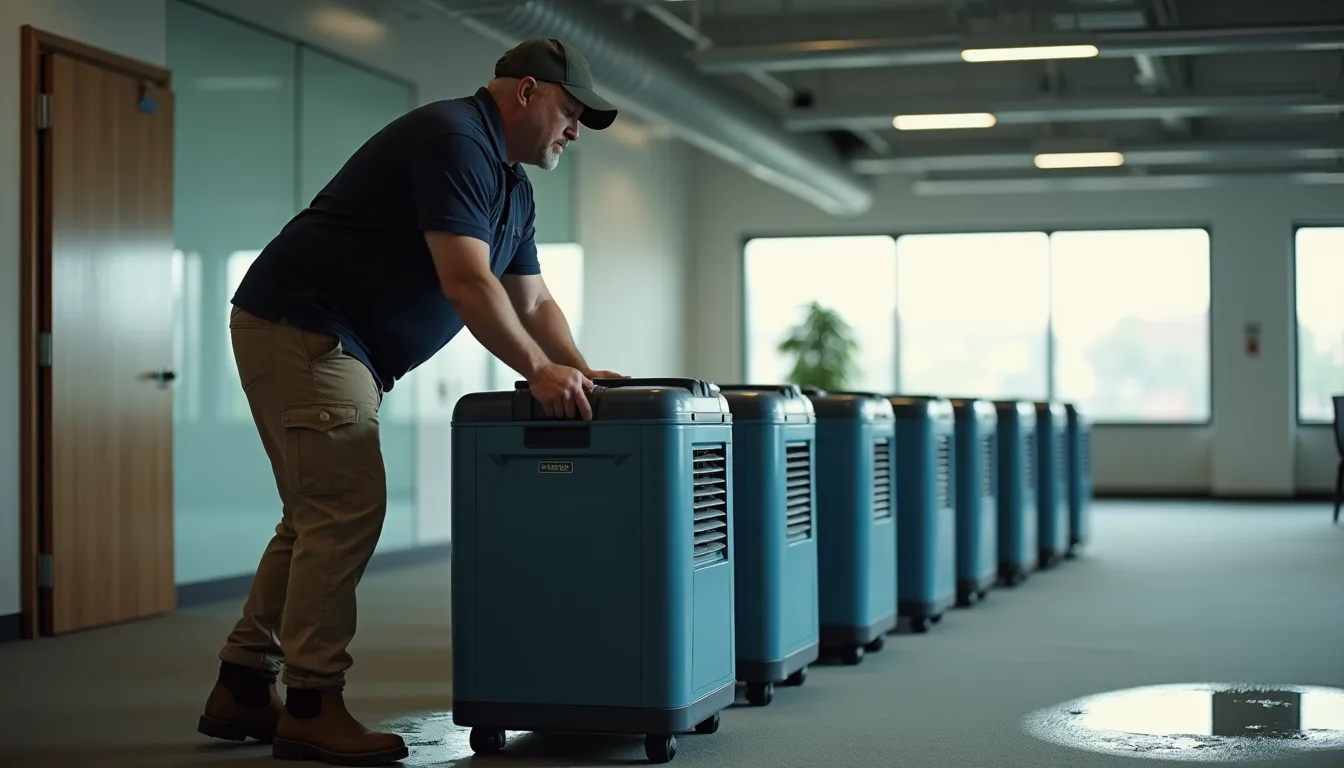
Imagine waking up in Atlanta to the sound of raindrops tapping against your window, only to discover a mysterious dampness creeping across your living room floor. Water damage is more than just an inconvenience; it can rapidly transform into a costly issue if not addressed immediately. As a homeowner in this vibrant city, understanding the nuances of a water damage restoration estimate from a local contractor could be the difference between a swift recovery and a prolonged nightmare.
Why This Matters for Atlanta Homeowners
Atlanta's humid summers are notorious for heavy downpours and frequent thunderstorms, often leading to unexpected leaks and water intrusion. Homeowners are left grappling with soaked carpets, warped floors, and potential mold growth. Georgia's unique red clay soil can exacerbate these issues by shifting under the weight of excess water, compromising your foundation. That’s why accurately interpreting a restoration estimate is crucial; it helps you navigate repair options without incurring unnecessary costs.
Moreover, many residents overlook the importance of proper drainage systems. Spring storms can bring hail and lightning, creating additional risks for water-related damage. A poorly managed drainage system can lead to pooling water around your foundation, causing further issues down the road.
Both new and older homes can experience water damage, but knowing how to read the fine print of your restoration estimate is essential in ensuring your investment remains protected. In the humid climate of Atlanta, a lack of vigilance now could lead to even more significant problems in the future.
Expert Solutions & Actionable Tips
1. Understanding Line-Item Costs
Restoration estimates often include line-item costs that detail various aspects of the work required. For instance, the drying process may vary from $500 to $1,200 depending on the severity of the damage. In Atlanta, having a clear breakdown helps in assessing the necessity and urgency of each task, allowing homeowners to prioritize effectively.
Don’t hesitate to ask for clarification on any charges you don’t understand. A reputable contractor should explain every detail of their work scope, ensuring that you're not left in the dark.
2. Comparing Repair Estimates
When it comes to water damage restoration, obtaining multiple estimates can be invaluable. In Atlanta, restoration costs may range from $1,500 to $5,000 depending on the extent of the damage. Speaking to multiple contractors allows you to gauge average market pricing and select a service that offers in-depth expertise in local conditions.
Be cautious of estimates that are significantly higher or lower than the average. This can indicate either an inflated price or a lack of professionalism. In a city as competitive as Atlanta, fair pricing is achievable.
3. Understanding the Timeline
A comprehensive water damage restoration timeline is essential for maintaining your daily life. Following a thorough assessment, services can begin as quickly as 24 hours after initial contact. Typically, mitigation and drying processes can last anywhere from three days to several weeks, depending on severity.
In the rapidly changing weather of Atlanta, having a contractor who can respond promptly significantly reduces the potential for long-term damage.
4. Assessing Structural Repairs
Your estimate should include structural repairs, particularly in Atlanta, where the red clay can impact a home’s foundation. Foundation repairs may cost between $2,000 and $10,000, depending on the issue's scale.
Having a thorough understanding of your property’s needs helps in prioritizing restoration efforts and mitigating future risks.
5. Inclusion of Mold Remediation
If your water damage estimate lacks mold remediation, you may want to reconsider. Given Atlanta’s humid climate, mold can develop within 24-48 hours after water intrusion. Specialized mold removal could add $500 to $6,000 to the total estimate.
Ask your contractor how mold assessments and remedial actions are integrated into the estimate. This detail can safeguard your health and prevent expensive rework.
6. Insurance Considerations
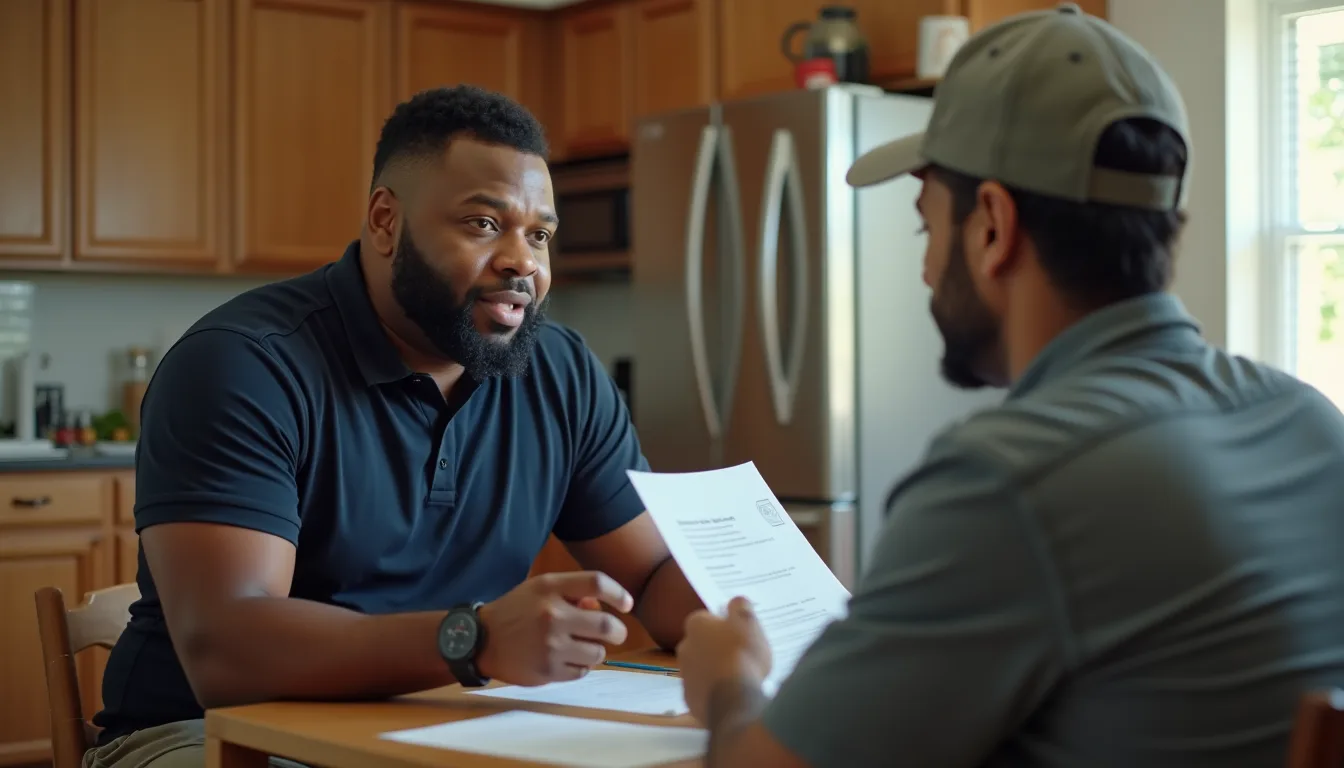
Insurance can play a significant role in the restoration process. Understanding how your homeowner's policy interacts with restoration estimates is crucial. In Georgia, many policies cover water damage due to sudden leaks but may exclude other forms like flooding. Without understanding the implications on costs, you could be left covering unexpected repair expenses.
Engage your contractor to clarify what documentation might be needed for insurance claims. A well-prepared claim can expedite restoration and reduce your out-of-pocket costs.
Atlanta Climate & Local Context
Atlanta experiences a unique climate with hot, humid summers, where locals often battle heavy thunderstorms and the occasional freeze during winter. Such conditions contribute to water damage risks, especially in homes with poor drainage systems. The predominant red clay soil in Georgia can lead to foundation shifts, making it paramount for homeowners to invest in regular foundation monitoring.
Permitting can also vary by neighborhood in Atlanta, with some requiring more stringent assessments before restoration work can proceed. Homeowners should consult local codes and permits specific to their areas to ensure compliance and prevent fines.
When to Call a Professional
While some minor water damage issues can be resolved by homeowners themselves, knowing when to call a professional is vital. Inspecting visible mold and dampness can provide clues that indicate a more extensive problem lurking beneath the surface.
- Persistent water stains on walls or ceilings.
- Musty odors that linger despite cleaning.
- Visible mold growth exceeding a square foot.
- Water pooling that doesn’t drain naturally.
- Inconsistent temperatures in HVAC systems due to moisture.
- Signs of structural damage such as sagging or cracks.
In cases involving extensive damage or potential hazards, reach out to a certified professional. Particularly in Atlanta’s unique environment, specialized knowledge can greatly influence restoration outcomes.
Frequently Asked Questions
What is the average cost for water damage restoration in Atlanta?
In Atlanta, restoration costs typically range between $1,500 and $5,000 depending on the extent of the damage and required repairs.
How long does water damage restoration take?
The duration for water damage restoration in Atlanta can vary between three days to several weeks, depending on the severity of the damage and responsiveness of the contractor.
Will my homeowners insurance cover water damage?
Many Atlanta homeowners find that their insurance policies cover sudden leaks but may not extend to damages from floods. Always check your specific policy details.
What steps should I take immediately after discovering water damage?
Immediately contact a water damage specialist, turn off the main water supply if applicable, and remove any valuables from affected areas to minimize damage.
How can I prevent water damage in my home?
Regular maintenance of gutters, proper grading of your property, and routine inspections of your plumbing can help prevent water damage issues in Atlanta homes.
Get Expert Water Damage Restoration Service in Atlanta
By understanding how to read a water damage restoration estimate, you can empower yourself to make informed decisions about your home. For expert assistance, don’t hesitate to reach out to ProWave Water Damage Repair by calling (678) 606-2872. Protect your Atlanta home from the damaging effects of water today!
With local expertise and a commitment to quality service, ProWave Water Damage Repair is here to support you through every step of the restoration process.
Service Areas
More Articles
Category 1 vs Category 3 Water Damage: What Atlanta Residents Must Know
2026-04-22
Water Damage RestorationHow Atlanta's Seasonal Temperature Swings Accelerate Water Damage
2026-04-22
Water Damage RestorationThe 7 Questions Your Atlanta Insurance Adjuster Will Ask About Water Damage Restoration
2026-04-22